
PHAs
Introduction: What are PHAs?
Polyhydroxyalkanoates (PHAs) are a class of naturally occurring polymers produced by bacteria as an energy storage mechanism. Unlike materials such as LDPE, HDPE, and other conventional plastics that are synthetically engineered, PHA was discovered rather than invented. First identified in the 1920s by French biologist Maurice Lemoigne, PHA is synthesized when bacteria metabolize biomass sources, including agricultural byproducts and greenhouse gases such as methane and CO₂.
This biological origin makes PHA fundamentally different from petrochemical plastics. Instead of requiring complex chemical catalysts, PHAs are naturally produced and then extracted from microbial cells. When exposed to microbial activity in soil, freshwater, or marine environments, PHAs biodegrade readily without leaving persistent microplastics or toxic residues. They are biodegradable, biocompatible, and non-ecotoxic, making them highly promising for sustainable manufacturing.
As a compounded material, PHA can be engineered to replace polylactic acid (PLA) in applications requiring greater thermal stability approaching that of polyethylene terephthalate glycol (PETG).
PHAs are also recyclable, however, they do not currently fit within existing recycling streams and are often categorized as “Other” (#7) plastics. This means that at end-of-life, they are more likely to be landfilled or incinerated, similar to conventional plastics.
PHAs are compostable in a variety of conditions, though not widely accepted into commercial composting infrastructure due to a lack of economic incentive and circularity.
Despite these challenges, PHAs provide one unique end-of-life benefit: if mismanaged or littered, they do not worsen the global plastic pollution crisis. Unlike petrochemical plastics, PHAs biodegrade naturally, returning safely to the environment.
To find out more about ecogenesis biopolymers genPHA’s™, click here.

PHAtty the Happy Bacteria
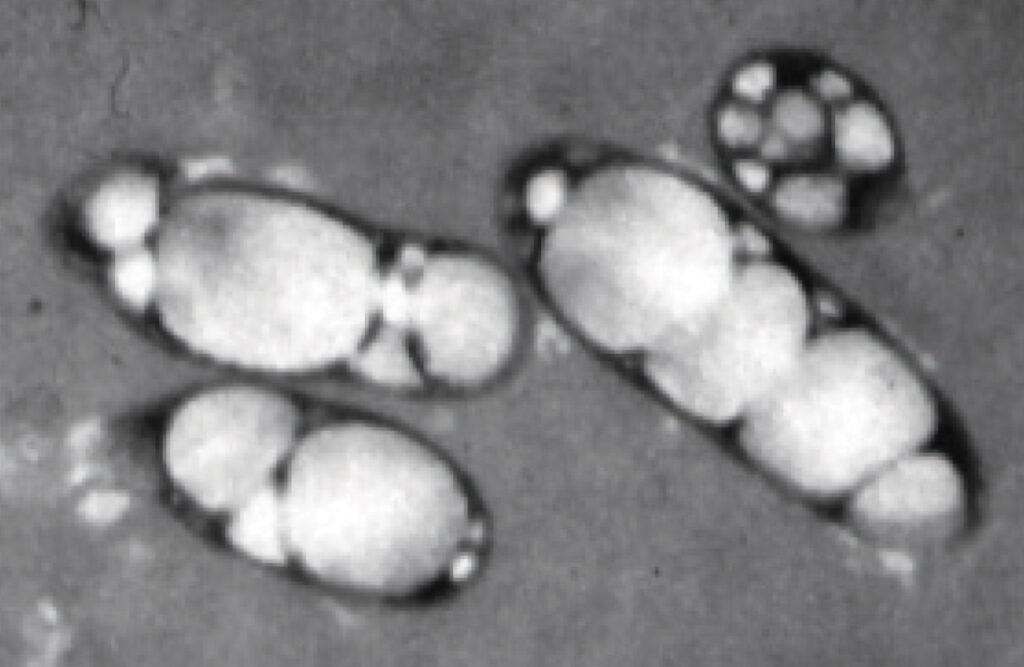
Real PHA inside bacteria ready for harvest