PHA
PHA
Overview of PHA Biopolymers
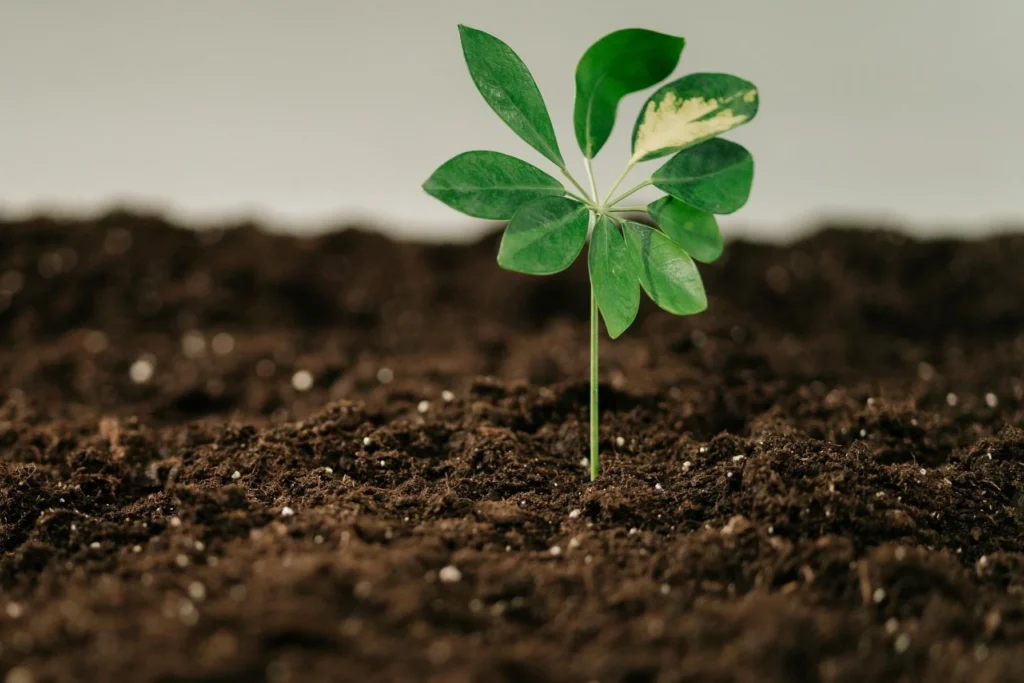
Polyhydroxyalkanoates (PHA) were first identified in the 1920s by a French scientist as naturally occurring polymers synthesized by certain bacteria. Over billions of years, these bacteria have evolved to store excess nutrients in the form of PHA, allowing them to endure prolonged periods of nutrient scarcity. The feedstock for PHA production is highly versatile, ranging from food waste and agricultural by-products such as sugars and oils to solid and liquid waste streams, including biogas sources like methane and CO₂. Essentially, any carbon-based material can serve as a nutrient source for these bacteria.
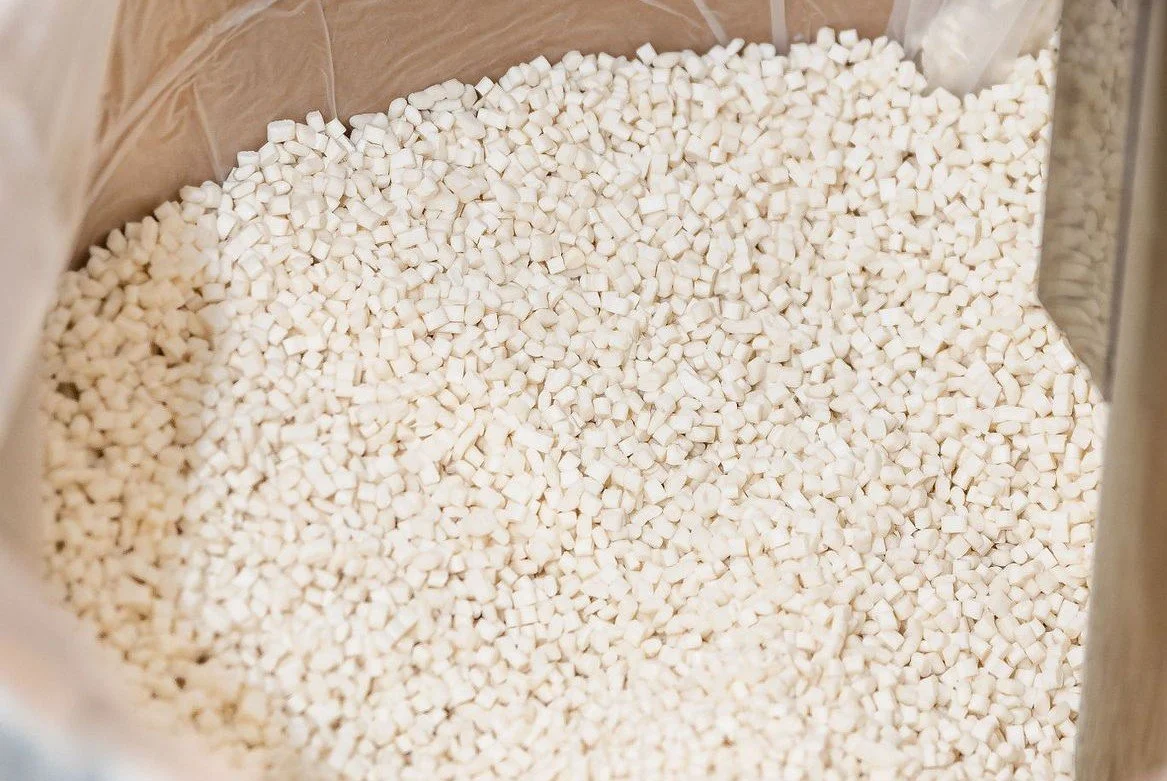
The most commonly used PHA production process is analogous to fermentation, similar to beer brewing. Under controlled conditions, bacteria are provided with their preferred nutrients, enabling them to convert biomass into PHA within approximately 48 hours. PHA can accumulate up to 75% of the bacterial cell mass, after which it is harvested and processed into raw PHA pellets.
As a compounded material, PHA can be engineered to replace polylactic acid (PLA) and even polyethylene terephthalate glycol (PETG) in applications requiring greater thermal stability. Its multiple end-of-life (EOL) pathways extend beyond conventional landfill disposal, offering more sustainable alternatives.
Clarification on Biodegradable
Unfortunately, due to the lack of federal regulations, and scarce state regulations, the word “biodegradable” has been used and abused to the extent that it may have lost its true meaning.
Key Facts on Compostability, Biodegradability, and Environmental Impact
Fact #1
A material that is compostable is not necessarily biodegradable. However, a material that is biodegradable is inherently compostable under the right conditions.
Fact #2
There are multiple forms of composting, and they do not function equally. A home composting system with limited control over humidity, temperature, pH, and bacterial concentration is vastly different from an industrial composting facility, which is specifically designed to break down materials like PLA under controlled conditions.
Fact #3
Greenwashing is widespread, particularly in marketing. Simply labeling a product as “compostable”—regardless of font size or shade of green color—does not mean it can be discarded in a backyard composting system. The specific composting method required must be indicated, such as “Industrial Compostable” or “Home Compostable.”
Fact #4
Marine environments are the most sensitive biomes on the planet. While they cover 71% of Earth’s surface, with 96.5% comprising the oceans, the long-held notion that “the solution to pollution is dilution” has led to widespread misuse. Instead of diluting, we continue to accumulate plastic pollution in marine ecosystems year after year.
Fact #5
Biodegradation testing in marine environments is among the most complex and rigorous. These ecosystems have significantly lower bacterial concentrations, making them one of the most challenging conditions for assessing true biodegradability.
Fact #6
Biodegradability alone is insufficient if the material releases toxins during degradation. Composting bioplastics serves no benefit if the resulting soil is contaminated with exotoxins, posing risks to plant growth and human health.
Fact #7
Ecotoxicity and fragmentation testing are essential to verifying true biodegradability. Without proper testing, materials that claim to be “biodegradable” may still contribute to microplastic pollution and environmental harm. Thus, we have adopted the Marine Biodegradable Standard from TÜV Austria for our PHAs.
The testing is made up of three consecutive trials. First, starting with ASTM6691, using sea water collected from nearby shores and paper (cellulose) as the benchmark for sustained biodegradability within the environment. For materials to pass ASTM6691, they must degrade as fast or faster than paper. The measurement for the degradation is CO2, thus validating bacteria activity in the medium. This test lasts 6 months, it cannot be accelerated or modified.
The second test utilizes the same seawater used during the first test and introduced microscopic crustacean life, specifically “Daphnia magna,” a species of water flea. To pass, they must survive at a 90% rate for a 24-to-48-hour exposure period.
The third and final test evaluates the fragmentation effect, ensuring that the material breaks down when exposed to a marine environment. This assessment uses cellulose (paper) as a benchmark and is considered the most challenging to meet, as it verifies the material’s biodegradability in such conditions.
Please note that mixing drinking water with table salt does not accurately replicate an oceanic environment required for degradation. This mixture lacks naturally occurring bacteria and other organisms necessary for this process. Therefore, testing PHA printed parts in salted water is ineffective.
Cellulose (paper) is used as a benchmark because we understand its degradation rate and environmental impact. This makes it an excellent reference for creating biopolymers that minimize negative effects if mismanaged.
What are the loopholes? When money is involved in marketing claims, companies will exploit them. The common issue is the misuse of ASTM6691. This test supports biodegradation evidence but isn’t perfect. It uses seawater at 27°C, unrealistic temperature compared to average ocean temperatures of 5-6°C, impacting bacteria activity and degradation speed.
Additionally, the test stops at 80% biodegradation instead of 100%, allowing companies to mix expensive PHA with cheaper alternatives such as PLA and still pass. While toxicity testing should control this, some companies manipulate parameters or skip true toxicity tests.
TÜV Austria maintains a recognized standard that is considered one of the most challenging to achieve. It is expected that new, more robust standards will be implemented in the future to close such loopholes. And it is important to be cautious of self-governing bodies with board members made up of CEOs, presidents and CMOs from the industry they claim to regulate.
Beyondplastics.org published a report on the subject, which, despite missing a couple of critical points, offers conclusions worth considering for improvement.
https://www.beyondplastics.org/publications/demystifying-bioplastics
For further information and a broader overview of the different methods and biomass used to make PHA, we recommend this great read from our partner OliveBio: https://olivebio.com/how-are-polyhydroxyalkanoates-phas-produced
For further information on the global PHA industry, we recommend checking out GO!PHA.com
PHA: A True Safety net
PHA offers a unique “safety net” as a material that is biocompatible, biodegradable, and non-ecotoxic. Unlike conventional plastics, PHA naturally breaks down in various environments, including marine, soil, and composting conditions—without leaving behind toxic residues or persistent microplastics.
While we do not advocate careless disposal, whether it be tossing waste from a moving car or casting it into the ocean, PHA provides the ultimate fallback in the event of mismanagement. If lost in the environment, it degrades through natural microbial processes, returning to the ecosystem without harm.
This is a fundamental difference that the petrochemical industry can never claim. Their materials persist indefinitely, polluting waterways, contaminating soil, and endangering wildlife. PHA, on the other hand, represents a genuine step forward in addressing plastic pollution at its source—not just through better disposal methods, but by ensuring that even when mismanaged, it does no lasting harm.
The real issue isn’t that most plastics do in fact go to landfills, where we simply collect it in masses and hope future generations will know what to do with them. The bigger concern is the cumulative and everlasting impact when they are “mismanaged” into the environment.
If you wish to discard PHA prints in a composting bed in your own garden, ensure that you do not paint or add any coatings to the object. Break them down into the smallest pieces that you can and expect them to last 2 or 3 seasons, depending on the location and health of the composting bed, before they are fully reabsorbed. But no matter what, if you happen to find a piece of PHA in the roots of your freshly grown salad, you’ll know that it has not been shedding toxic microplastics.
PHA Filament also offers lower energy consumption per identical printed object made of PLA or PETG. Their melt temperature is lower, they do not need or use heated beds, and since it is naturally hydrophobic, no drying is required.
All the above equate to energy savings. That is not a real concern for the average printer-head, but if you happen to run a print farm, it is something to consider and monitor.